




The Complete Guide to 9mm Ammo Ballistics, Performance, and Selection
You’re at the range, and the crisp crack of your 9mm round smacks the steel target dead-center—that satisfying ring is pure feedback from a cartridge that balances power and control effortlessly. The 9mm Luger fires a 9x19mm projectile, using a small primer to ignite fast-burning powder that drives the bullet at supersonic speed, typically around 1,100–1,200 feet per second, making it flat-shooting and easy to follow up with. Its low recoil and high magazine capacity let you shoot accurately for longer sessions, whether you’re practicing defensive drills or plinking for fun. Just feed it into a properly maintained pistol, keep your grip firm, and let the round’s reliable cycling do the rest.
Understanding the Core Specifications of the 9mm Luger Cartridge
The 9mm Luger’s core specs start with its case length of 19.15mm and an overall cartridge length of 29.69mm, which dictates what fits in your magazine. The bullet diameter is a true .355 inch, while the pressure maxes out at 35,000 psi—that’s what gives standard 115-grain loads their snappy recoil. For 9mm ammo, the rimless case is critical because it feeds reliably from double-stack mags, and the taper helps ejection in tight actions. **Always check that your barrel’s groove diameter matches .355, not .356, or you’ll lose accuracy.** Q: Why does the 9mm Luger use a rimless case? A: It allows smooth stacking and extraction in semi-autos without a rim catching. That’s the spec foundation for every defensive or range load you buy.
What Do the 9x19mm Dimensions Mean for Your Firearm’s Performance?
The 9x19mm dimensions dictate how your firearm cycles, feeds, and locks up. The 19mm case length sets the pressure curve, ensuring the bullet leaves the barrel with consistent velocity, while the 9mm bullet diameter guarantees a snug fit in the rifling, which directly impacts accuracy and barrel longevity. Because the overall length and rim diameter are standardized, your magazine and chamber match perfectly, reducing misfeeds. This means:
- Correct headspacing on the case mouth prevents extraction issues.
- The straight-wall design cycles smoothly in blowback or locked-breech actions.
- Matching dimensions keep pressure within safe limits, so you get reliable slide operation without excessive wear.
In short, these numbers ensure your pistol runs predictably, shot after shot.
Decoding Bullet Weights: 115 vs 124 vs 147 Grain and How They Affect Recoil and Trajectory
In 9mm Luger, bullet weight directly dictates the felt recoil impulse and the trajectory arc. A 115-grain load typically produces a snappier, sharper recoil due to higher pressure and velocity, while its flatter trajectory makes it ideal for fast target acquisition at short range. Moving to 124-grain, the balance shifts: recoil feels slightly softer and more push-like, and this weight often offers a more consistent point of aim across varied barrel lengths, as it retains velocity better downrange. The 147-grain subsonic option delivers the softest, heaviest recoil pulse, requiring more muzzle rise management, but its slower speed results in a more pronounced bullet drop beyond 25 yards, demanding greater holdover for longer shots.
Choosing between 115, 124, or 147 grain is a trade-off: lighter grains mean sharper recoil and flatter flight, heavier grains mean softer push and a looping trajectory.
How Bullet Velocity and Pressure Levels Influence Terminal Performance

Bullet velocity dictates the temporary cavity’s stretch and the speed at which hydraulic pressure transfers to tissue, making **terminal performance in 9mm loads** heavily reliant on the 1,150–1,350 fps range. Higher pressure, within SAAMI’s 35,000 psi limit, accelerates expansion and ensures reliable penetration through heavy clothing, while lower pressure drops velocity below the threshold for consistent hollow-point petal peel-back. A slower 147-grain subsonic round relies on deep crush, not shock, .32 ACP Ammo for Sale whereas a hot 115-grain +P load creates rapid fragmentation and a wider wound track. Balancing velocity against pressure prevents over-penetration or under-expansion, so your chosen load must match your barrel length—shorter barrels bleed velocity, reducing the pressure spike needed for aggressive expansion.
Velocity drives expansion speed, while pressure maintains that velocity at impact—together, they decide whether 9mm terminal performance over-penetrates or under-delivers.
Selecting the Right Projectile Type for Your Shooting Goals
Selecting the right projectile type for your 9mm shooting goals hinges on matching bullet construction to your intended use. For competition and target practice, .35 Remington Ammo for Sale full metal jacket (FMJ) rounds offer reliable feeding and cost-effective training, prioritizing consistency over terminal effect. If your goal is personal defense, choosing 9mm defensive ammunition with jacketed hollow points (JHP) is critical, as they expand upon impact to maximize stopping power while reducing over-penetration risks in a home setting. For reduced recoil drills or introducing new shooters, consider frangible or low-recoil loads, which sacrifice some velocity for better control. Conversely, for hard-barrier penetration scenarios, solid copper or bonded-core projectiles excel. Ultimately, matching the 9mm projectile to your goal ensures your ammunition performs exactly when your objective demands it.
Full Metal Jacket vs Jacketed Hollow Point: When to Use Each for Practice or Defense
Full Metal Jacket vs Jacketed Hollow Point: When to Use Each for Practice or Defense hinges on terminal effect versus cost efficiency. For routine range drills and malfunction clearance practice, FMJ’s hardened copper jacket prevents fouling and .338 Lapua Ammo for Sale delivers reliable feeding at the lowest price per round, making it the logical choice for high-volume repetition. For self-defense, JHP expands upon impact, transferring energy and reducing over-penetration risk through barriers—critical when a miss could endanger bystanders. Practice with FMJ, but verify your defensive load’s point of impact, as JHPs often shift zero slightly due to their shorter ogive. Transition to JHP for your carry magazine, not for plinking. Q: Can I train exclusively with FMJ and still trust JHP for defense? Yes, if you shoot a full box of your chosen JHP to confirm function and accuracy—then reserve FMJ for all other practice to preserve your carry ammunition’s count and prevent premature setback from repeated chambering.
Flat Nose, Round Nose, and Bonded Cores: How Nose Profile Impacts Feeding Reliability

In 9mm ammunition, the nose profile directly dictates feeding reliability because it determines how the cartridge aligns with the feed ramp. Flat-nose bullets present a blunt leading edge, which can catch on the ramp’s lower lip if the angle is steep; this often manifests as stovepipes in pistols with tight chambers. Round-nose bullets, by contrast, possess a smooth, tapered ogive that glides upward with minimal resistance, making them the benchmark for flawless cycling in older or unmodified handguns. Bonded cores do not alter nose shape independently, but when paired with a flat nose, the heavier jacket-to-core bond increases mass at the tip, potentially worsening feed interruptions if the ramp is rough. For mixed-use pistols, prioritize round-nose profiles for defensive loads, as their geometry forgives minor recoil spring variations. When testing bonded flat-nose rounds, run at least 200 cycles through your specific firearm. First, inspect the feed ramp for burrs; second, lubricate lightly; third, fire a full magazine slowly to identify catch points.
Brand-to-Brand Consistency: Finding a Lot Number That Shoots Accurately in Your Barrel
Even within the same brand, 9mm lot numbers behave like distinct personalities in your barrel. A specific lot might print tight groups, while the next batch drifts due to subtle variations in powder burn rate or bullet diameter. To lock in accuracy, buy a case from one lot number, then verify it at the range before stockpiling. Test multiple brands across their lot numbers to identify which consistently aligns with your barrel’s rifling. Track results in a log: charge weight, bullet profile, and muzzle velocity. Brand-to-brand lot matching is your most reliable path to repeatable zero. When you find a winner, purchase that exact lot in bulk before it sells out. Re-zero whenever switching lots, since point-of-impact shifts are common.
- Request the lot number from your retailer before purchase.
- Fire a five-round group from a rest at 25 yards to measure dispersion.
- Record the lot number and group size in a notebook.
- Repeat with other brands, then compare which lot performs best in your barrel.
Practical Tips for Getting the Most Out of Your Range Sessions
To get the most from your 9mm range sessions, zero your pistol with the exact carry ammo you trust, then switch to cheaper ball for volume—your point of impact can shift dramatically between loads. Shoot one-handed drills at 7 yards to expose grip flaws that two-hand shooting hides, and run a magazine of your defensive hollow points every session to confirm flawless feeding. Track your split times between shots on a par-time target; if you’re slower than 0.5 seconds from concealment, slow down and rebuild smoothness before adding speed. Finish by shooting weak-hand only for ten rounds—9mm’s manageable recoil makes it perfect for mastering this skill without fatigue.
How to Test and Record Which Load Your Pistol Groups Tightest With
To identify your pistol’s most accurate 9mm load, shoot five-round groups from a rested bag at a fixed distance—25 yards is ideal—and change only the cartridge between strings. Fire three groups per load to average out shooter error, then measure each group’s widest spread with calipers and log the tightest grouping load in a dedicated notebook or phone app, noting temperature and lot number. For a truly repeatable baseline, test at least five different bullet weights and two bullet profiles per weight, because barrel twist rate heavily influences stability. Record zero fliers as exceptions, and always re-test your top three candidates on a fresh day to confirm consistency before committing to a carry or competition load.
Reducing Muzzle Flip and Recoil: Matching Primer Hardness and Powder Burn Rate to Your Spring Weight
To tame 9mm muzzle flip, treat the recoil spring as a tuning fork for your ammunition’s ignition signature. A hard primer (e.g., military-spec) resists firing-pin indentation, delaying ignition; pairing it with a fast-burning powder (like Bullseye) and a heavier spring (16–18 lb) prevents premature slide unlock, converting rearward thrust into a smoother, flatter push. Conversely, soft primers with slow powders (e.g., 231) require a lighter spring (12–14 lb) to avoid sluggish cycling and excessive dip. Test by loading three spring weights and observing ejection angle—a 2 o’clock toss suggests balanced force. Sequence: 1) Verify primer strike depth with a new spring; 2) Fire five rounds, noting muzzle rise height; 3) Swap springs one step lighter or heavier until the dot tracks straight back—not up. This reduces perceived recoil by up to 30% without altering charge weight.
When to Switch to +P or +P+ Loads Without Damaging Your Pistol’s Frame
Switching to +P or +P+ loads is only smart when your pistol’s frame is explicitly rated for it—check the manual or slide stamp first. Hot 9mm loads accelerate frame wear, so reserve them for defensive .32 Win Special Ammo for Sale carry ammo or reliability testing, not daily plinking. If your gun is alloy-framed or polymer, stick to standard pressure unless the manufacturer lists +P approval; +P+ is a wildcard with no SAAMI standard, so assume it’s for heavy recoil springs and steel frames only. Watch for slide battering or cracked grip rails after 500 rounds—that’s your cue to step down. For range fun, use standard loads and save the hot stuff for occasional function checks.
Extending Storage Life and Reliability of Your Ammunition
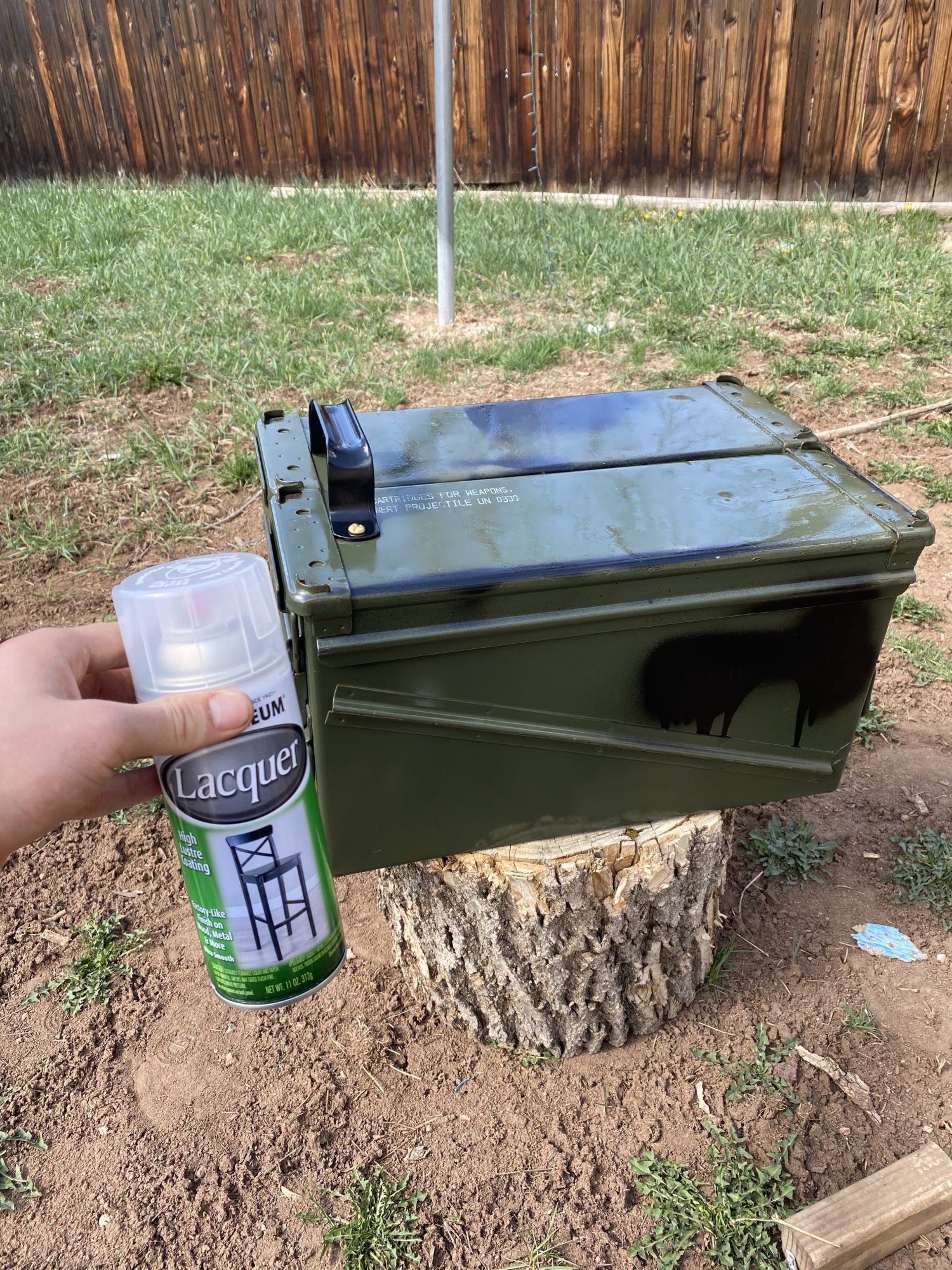
For 9mm ammo, the enemy is moisture and temperature swings, not time itself. Keep your rounds in a sealed ammo can with a few silica gel packs to prevent case corrosion and primer degradation, which are the main causes of duds. Avoid storing loose 9mm in a hot car trunk or damp basement; consistent, cool, dry conditions preserve the powder’s burn rate and keep your slide cycling reliably. Rotate your oldest stock to the range first, so you’re never betting your life on decade-old carry ammo. And here’s a quick one: *How often should you inspect stored 9mm?*—Check every six months for green spots on the brass or a loose primer, and always test-fire a few rounds from each box after a long storage period. That simple habit catches problems before they become malfunctions.
Proper Humidity and Temperature Conditions for Long-Term Stash Preservation
For long-term 9mm stash preservation, you want to keep things cool and dry—ideally around **55–70°F (13–21°C)** with relative humidity between 30% and 40%. Anything above 50% humidity risks corroding brass cases and dulling primers over time, while extreme heat can degrade powder consistency. Avoid storing ammo in attics or garages where temperatures swing wildly. Instead, use a sealed ammo can with desiccant packs, and check your hygrometer every few months. If you live in a humid climate, rotate desiccants seasonally. A simple routine:
- Measure humidity 6.8 SPC Ammo for Sale with a digital hygrometer.
- Add silica gel or rechargeable desiccant if readings exceed 40%.
- Stabilize temperature by keeping ammo in a climate-controlled closet or basement.
That combo keeps your 9mm reliable for decades.
Signs of Corroded Brass, Seated Bullets, or Faded Primer Sealant You Should Never Ignore
When checking your 9mm stash, signs of corroded brass, seated bullets, or faded primer sealant you should never ignore start with a dull, powdery green or white crust around the case mouth or primer pocket. That’s active corrosion eating into the case, which can cause case ruptures and gas leaks. A seated bullet that’s been pushed deeper into the case (compare its overall length against a fresh round) spikes pressure dangerously, potentially blowing your firearm’s slide apart. Faded primer sealant—the colored ring around the primer—is your last defense against moisture; if it’s flaking away, moisture has already reached the priming compound, risking hangfires or duds. If you see any of these, do not shoot them; Ammunition for Sale safely disassemble or discard the affected rounds.
- Green or white crust near the case mouth or primer = corrosion weakening the brass.
- Bullet seating visibly deeper 6.5x57mm Mauser Ammo for Sale than factory specs = pressure spike risk on firing.
- Primer sealant cracked, chipped, or absent = moisture intrusion likely.
Rotating Your Stockpile: Using Older Boxes First to Keep Every Round Fresh
For 9mm ammunition, the core of rotation is a simple first-in, first-out (FIFO) system. When you add new factory boxes to https://specialtysportsandsupplyltd.com/ your shelf, physically place them behind your existing inventory. This ensures you always grab the older boxes for range trips. While modern 9mm has a long shelf life if stored correctly, primers and propellant degrade subtly over many years. By using the older rounds first, you prevent a scenario where decades-old ammo sits at the back, eventually becoming a reliability risk. This practice also standardizes your shooting experience, as you are always firing the most seasoned rounds, keeping your entire ammo stockpile rotation on a consistent cycle of use and replacement.
Answering Key Buying and Usage Questions Directly
Answering key buying and usage questions directly for 9mm ammo means clarifying what actually matters at the point of purchase and at the range. Buyers need explicit answers on **bullet weight**, such as 115 vs 124 grain, because it directly impacts recoil impulse and point of aim. Ask directly whether the ammo is **full metal jacket** for practice or jacketed hollow point for defensive carry, as using the wrong type risks over-penetration or inadequate expansion. Answering usage questions requires specifying whether the 9mm load is **standard pressure or +P**, since +P raises chamber pressure and may exceed firearm specs. Directly confirm the round’s actual muzzle velocity for barrel length, as a 3-inch compact pistol produces markedly different ballistics than a 5-inch duty gun. Finally, state if the ammo is new-production, remanufactured, or reloaded, and clearly match the box’s intended purpose to the shooter’s stated need.
How Much Should You Pay per Round for Budget vs Premium Defense Ammo?
For 9mm self-defense, expect to pay between $0.50 and $0.90 per round for reliable budget defensive loads like Federal HST or Speer Gold Dot when bought in bulk, while premium boutique options often run $1.20 to $1.80 per round. The extra cost rarely translates to better terminal performance in real-world gelatin tests, so premium ammo pricing is mostly about brand cachet. Your decision hinges on testing: budget rounds need 100+ fired rounds to verify zero and function, but premium rounds demand only 20–30 for confidence. Prioritize the cheapest load that cycles flawlessly and expands consistently, then stock up at that price point.
Can You Mix Different Bullet Weights in One Magazine for Daily Carry?
Mixing different bullet weights in one magazine for daily carry is technically possible but tactically unwise. Consistent bullet weight ensures predictable point of impact, as 115-grain and 147-grain loads often strike several inches apart at defensive distances. When you fire a mixed magazine, your first shot may print high or low relative to your sights, forcing you to adjust mid-string. Under stress, your brain cannot reliably calculate which weight is chambered, so you will likely miss with at least one round. Additionally, recoil impulse differs between weights, altering your follow-up shot timing and grip management. For a defensive firearm, every round should feel and behave identically. Therefore, carry only one weight—preferably the same load you practice with—and keep mixed magazines strictly for range plinking or function testing.
How to Quickly Verify a Box is Genuine and Not Reloaded or Surplus
Check the box’s factory 6.5×55 Swedish Ammo for Sale seal and lot code integrity before trusting its contents. A genuine 9mm box has a tight, unbroken seal, while reloaded or surplus ammo often arrives re-taped with a loose crimp. Inspect the brass headstamp—new production will match the brand on the box, whereas reloads may show mixed or deformed primer pockets. Feel the cartridge weight: genuine rounds have consistent bullet seating; surplus often has gritty or discolored cases. Tug a bullet gently—if it moves, it’s suspect.
- Verify the lot code is printed, not hand-written, 6.5x57R Ammo for Sale and matches the box’s printing date.
- Compare primer sealant color; genuine ammo has uniform sealant, surplus often shows uneven blobs.
- Shake the box; a dull rattle indicates loose bullets, a sign of reloads.
- Check for a barcode that scans to factory data, not a blank label.