

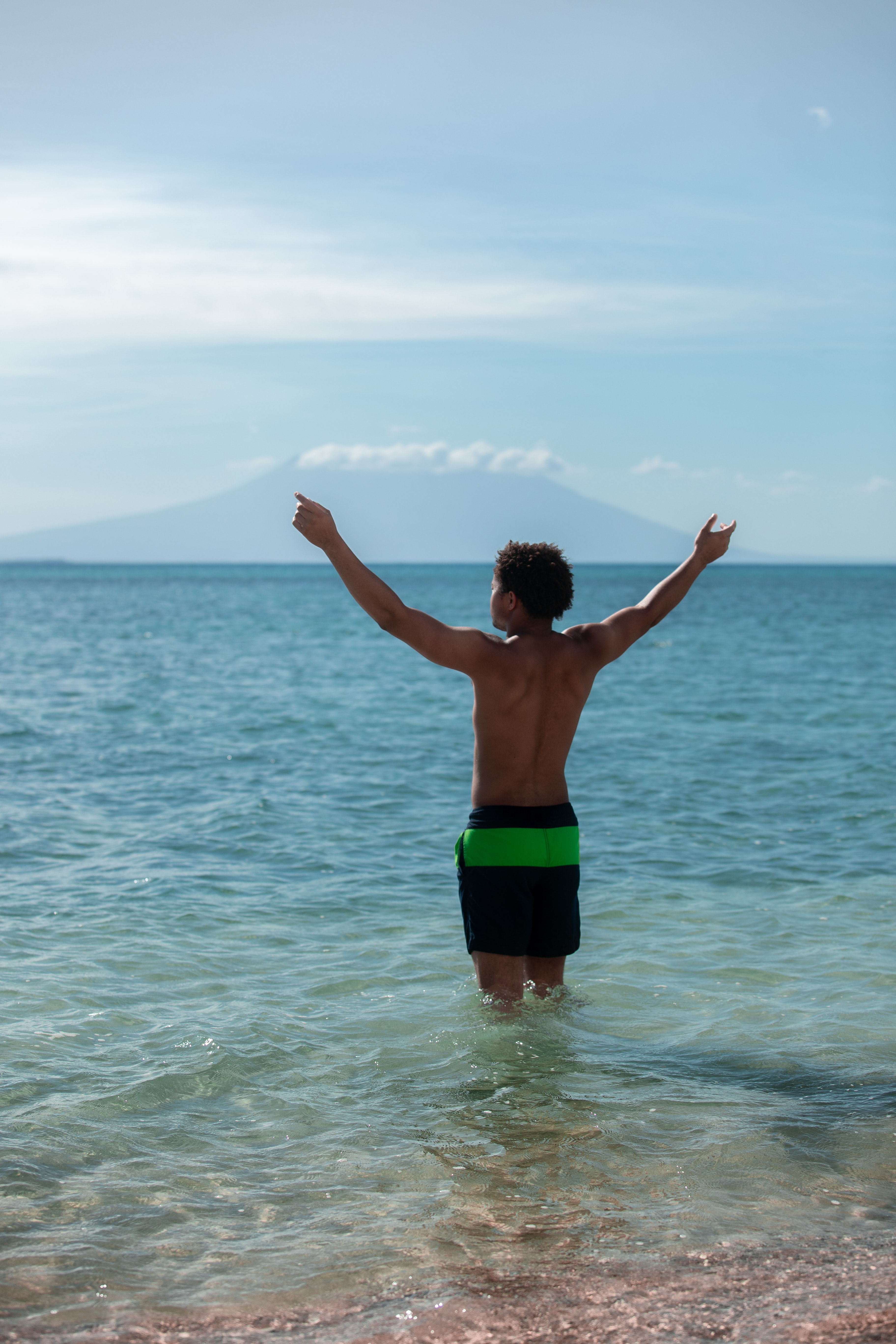


- Coastal journeys transform with the lucky wave and reveal unforgettable ocean experiences
- Discovering the Meaning Behind the Phenomenon
- The Role of Intuition and Awareness
- Enhancing Your Coastal Journey for Serendipity
- The Power of Unstructured Time
- The Psychological Impact of Ocean Experiences
- Blue Mind Theory and Coastal Wellbeing
- The Future of Coastal Journeys and Experiential Travel
Coastal journeys transform with the lucky wave and reveal unforgettable ocean experiences
The allure of the ocean has captivated humanity for millennia, drawing us to its shores with the promise of adventure, tranquility, and discovery. Coastal journeys provide a unique opportunity to connect with this powerful force of nature, and increasingly, travelers are seeking experiences that go beyond the typical beach vacation. A particularly enchanting phenomenon, often spoken of in hushed tones by seasoned sailors and coastal communities, is the appearance of a lucky wave – a moment of perfect synchronicity between the ocean’s energy and the traveller’s spirit. This isn't merely about finding a good swell for surfing; it’s about experiencing the ocean in a way that feels deeply resonant and auspicious.
The quest for unforgettable ocean experiences is driving innovation in travel, from eco-tourism initiatives to personalized sailing adventures. People are looking for authenticity, for a genuine connection to the environment and the cultures that thrive along the coastlines. This demand is shaping a new era of coastal tourism, one that emphasizes responsible travel, sustainable practices, and a profound respect for the ocean’s delicate ecosystem. Beyond the breathtaking views and invigorating sea air, it’s the anticipation of that serendipitous moment, the feeling of being in harmony with the ocean’s rhythm, that truly elevates a coastal journey from memorable to transformative.
Discovering the Meaning Behind the Phenomenon
The concept of a “lucky wave” isn’t rooted in scientific measurement, but rather in the subjective experience of those who spend a significant amount of time on or near the water. For surfers, it might be the perfect set that arrives after a long lull, allowing for an exceptional ride. For sailors, it could be a favorable wind shift that propels them towards their destination with ease. But the meaning extends far beyond practical advantages; it’s often described as a feeling of being “in the flow,” a sense of effortless connection to the ocean’s energy. Indigenous coastal communities often have rich folklore surrounding waves, attributing them to spiritual forces or the presence of ancestors. Historically, sailors considered certain wave patterns to be omens, guiding their decisions and influencing their beliefs about the journey ahead. Understanding these cultural perspectives adds a layer of depth to the idea of a lucky wave, suggesting that it's a phenomenon that resonates with the human psyche on a profound level.
The Role of Intuition and Awareness
Recognizing a lucky wave often requires a certain degree of intuition and heightened awareness of the surrounding environment. It’s about paying attention to subtle cues – the way the light plays on the water’s surface, the sound of the waves breaking, the behavior of marine life. Experienced ocean-goers develop a ‘feel’ for the ocean, learning to anticipate changes in conditions and responding instinctively to its rhythms. Cultivating this awareness can be enhanced through practices like mindful observation and meditation, allowing you to tune into the ocean’s energy and increase your chances of encountering a moment of serendipity. It's about slowing down and truly being present, rather than simply passing through the experience. This keen perception can lead to unexpectedly positive outcomes, not just in terms of navigation or recreation, but also in fostering a deeper connection to the natural world.
| Wave Characteristic | Associated Feeling/Omen |
|---|---|
| Unusually smooth surface | Peace, tranquility, safe passage |
| Consistent, rhythmic swell | Positive momentum, favorable conditions |
| Presence of marine life (dolphins, whales) | Good luck, spiritual guidance |
| Brilliant sunlight reflecting on the water | Optimism, clarity, a new beginning |
The table exemplifies some of the commonly observed wave characteristics that are often associated with positive omens and a feeling of being fortunate at sea. These are not hard-and-fast rules, but rather observations accumulated over generations of coastal living and seafaring.
Enhancing Your Coastal Journey for Serendipity
While the arrival of a lucky wave can seem random, there are steps you can take to increase your chances of experiencing one. Choosing a destination with a strong connection to the ocean is a good starting point. Places with vibrant marine ecosystems, rich coastal cultures, and a long history of seafaring are more likely to hold that special energy. Consider traveling during shoulder seasons, when the crowds are smaller and the ocean feels more pristine. This allows for a more intimate and immersive experience, fostering a deeper connection to the environment. Furthermore, incorporating sustainable and responsible travel practices demonstrates respect for the ocean and its inhabitants, potentially influencing the energy of your journey. Seeking out local guides who possess a deep understanding of the coastline and its traditions can also unlock hidden gems and enhance your appreciation of the natural world.
The Power of Unstructured Time
One of the most effective ways to increase your chances of encountering a lucky wave is to allow for unstructured time in your itinerary. Resist the urge to fill every moment with planned activities, and instead leave room for spontaneity and exploration. Wandering along the beach, observing the tide, or simply sitting quietly and listening to the ocean can create the space for serendipitous moments to unfold. This approach requires a shift in mindset, from being a consumer of experiences to being an observer and participant in the natural world. It’s about embracing the unexpected and allowing the ocean to guide you, rather than trying to control the experience. This aligns with the feeling of letting go that often accompanies a truly lucky and memorable moment.
- Pack light and prioritize comfortable clothing suitable for all weather conditions.
- Bring a journal to record your observations and reflections.
- Learn a few basic phrases in the local language.
- Support local businesses and communities.
- Be mindful of your environmental impact and practice Leave No Trace principles.
- Embrace the unexpected and be open to new experiences.
These simple steps can significantly enhance your coastal journey, increasing your mindfulness and receptivity to the subtle cues that may signal the arrival of a fortunate event. Preparing adequately, both practically and mentally, is a testament to respecting the power of the sea.
The Psychological Impact of Ocean Experiences
Beyond the purely experiential, spending time by the ocean has profound psychological benefits. The sound of waves has been shown to reduce stress and anxiety, promoting a sense of calm and relaxation. The vastness of the ocean can inspire a sense of awe and wonder, shifting our perspective and reminding us of our place in the larger universe. Exposure to saltwater has been linked to improved mood and increased levels of serotonin, a neurotransmitter associated with well-being. These physiological and psychological effects create an ideal environment for experiencing a lucky wave – a heightened state of receptivity and connection. The ocean can effectively serve as a natural reset button, allowing us to disconnect from the pressures of modern life and reconnect with our inner selves.
Blue Mind Theory and Coastal Wellbeing
The concept of “Blue Mind,” popularized by marine biologist Wallace J Nichols, describes the restorative effect of being in or near water. Nichols argues that our brains are naturally drawn to water, and that exposure to aquatic environments can trigger a meditative state, promoting creativity, focus, and emotional well-being. This theory helps explain why many people feel a sense of peace and tranquility when they are near the ocean. The immersion in a blue environment lowers stress hormones and facilitates a shift in brain activity, from the default mode network (associated with self-referential thought) to a more present-moment awareness. This state of mind is particularly conducive to experiencing a lucky wave, as it allows us to fully immerse ourselves in the sensory richness of the ocean and be open to unexpected possibilities.
- Plan a dedicated ‘ocean day’ with no other obligations.
- Practice mindful breathing exercises while listening to the waves.
- Engage in activities that connect you to the water, such as swimming, kayaking, or paddleboarding.
- Limit screen time and disconnect from technology.
- Reflect on your experience in a journal.
Following these steps can help you intentionally cultivate a ‘Blue Mind’ state, increasing your potential for meaningful connection and encounters with the ocean’s subtle energies. Consistent immersion in the marine environment can foster a deeper sense of wellbeing.
The Future of Coastal Journeys and Experiential Travel
As travelers increasingly prioritize authentic and meaningful experiences, the demand for coastal journeys that go beyond the superficial will continue to grow. The future of this sector lies in sustainable tourism practices that protect the ocean’s delicate ecosystem while providing opportunities for immersive cultural exchange. Technological advancements, such as virtual reality and augmented reality, may enhance the experience by providing access to underwater worlds and historical insights, but the true magic lies in the direct connection with the natural environment. A focus on personalized itineraries tailored to individual interests and preferences will become increasingly important, allowing travelers to create truly unique and transformative journeys.
The growing awareness of the ocean's crucial role in regulating the Earth’s climate will also drive a shift towards more responsible and conservation-minded travel. Tour operators will be expected to actively contribute to ocean conservation efforts, supporting local communities and minimizing their environmental impact. The pursuit of a lucky wave, in this context, becomes not just a personal quest for serendipity, but a conscious act of aligning oneself with the ocean’s rhythms and recognizing the interconnectedness of all life. This ultimately fosters a deeper appreciation for the planet and a commitment to preserving its natural wonders for generations to come.